Skills we develop

COGNITIVE SKILLS
Refinement of mental processes

Cognitive Skills for Children with Special Needs

Cognitive skills help children think, remember, focus, solve problems, and make sense of what is happening around them. These skills shape everyday learning in simple but important ways, from following instructions and noticing patterns to remembering what comes next and staying engaged with a task.

For children with special needs, cognitive growth often happens best through repetition, visual support, and activities that feel encouraging from the start. That is why playful practice can be so powerful. When children enjoy the experience, they are more likely to stay involved and keep building confidence over time.

What are cognitive skills?

Cognitive skills include memory, attention, focus, sequencing, pattern recognition, decision making, and problem solving. Together, these skills support learning, communication, classroom readiness, and day-to-day independence.

Why cognitive skills matter in early childhood

In the early years, children are constantly building the mental skills they need to learn and respond to the world around them. They are learning how to remember instructions, notice differences, match objects, stay with a task, and understand what should happen next. These early abilities become the foundation for later learning.

Games That Support Cognitive Skills

WonderTree’s cognitive games are designed to help children build important thinking skills through active, engaging play. Instead of turning practice into pressure, the games create space for children to stay involved, respond, and keep learning at a pace that feels manageable.

SCOOP'D

WHO IT HELPS

ADHD | ASD | DCD | DS | CP

ABOUT THE GAME

Welcome to Scoop'd, the addictive game that puts a virtual bucket right between your hands and transports you into your very own ice cream shop..

SKILLS DEVELOPED

    Brain Icon COGNITIVE SKILLS

    Attention and Focus

    Decision Making

    Pattern Recognition

    Cause & Effect

    Brain Icon MOTOR SKILLS

    Core Strength

    Posture Control

    Bilateral Coordination

    Reaction Time

SCOOP'D

WHO IT HELPS

ADHD | ASD | DCD | DS | CP

Play for Free
SKILLS DEVELOPED

    COGNITIVE SKILLS

    Brain Icon

    Attention and Focus

    Decision Making

    Pattern Recognition

    Cause & Effect

    MOTOR SKILLS

    Brain Icon

    Core Strength

    Posture Control

    Bilateral Coordination

    Reaction Time

SMALL ALPHABET TRACE

WHO IT HELPS

ADHD | DCD | ECD

ABOUT THE GAME

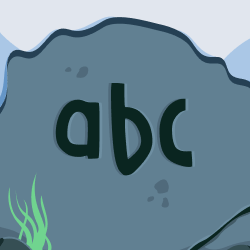
Ace your ABCs with abc Trace!
 Use your hand to trace letters, unlock fun animations, and hear how they’re pronounced. Keep tracing and learning—you’ll be an ABC pro in no time!

SKILLS DEVELOPED

    Brain Icon COGNITIVE SKILLS

    Attention and Focus

    Pattern Recognition

    Sequencing and Order

    Anticipation

    Brain Icon EDUCATIONAL SKILLS

    Letter Recognition

    Word Association

    Reading Comprehension

    Phonics and Pronunciation

SMALL ALPHABET TRACE

WHO IT HELPS

ADHD | DCD | ECD

Play for Free
SKILLS DEVELOPED

    COGNITIVE SKILLS

    Brain Icon

    Attention and Focus

    Pattern Recognition

    Sequencing and Order

    Anticipation

    EDUCATIONAL SKILLS

    Brain Icon

    Letter Recognition

    Word Association

    Reading Comprehension

    Phonics and Pronunciation

Shape Trace

WHO IT HELPS

ADHD | DCD | ECD

ABOUT THE GAME

Shape up your knowledge by tracing shapes with your hand! Choose your favorite shape, follow the outline on the screen, and watch it come to life. Ready to get creative? Let’s trace!

SKILLS DEVELOPED

    Brain Icon COGNITIVE SKILLS

    Attention and Focus

    Pattern Recognition

    Anticipation and Prediction

    Sequencing and Order

    Brain Icon EDUCATIONAL SKILLS

    Shape Recognition

    Word Association

    Phonics and Pronunciation

    Following Instructions

Shape Trace

WHO IT HELPS

ADHD | DCD | ECD

Play for Free
SKILLS DEVELOPED

    COGNITIVE SKILLS

    Brain Icon

    Attention and Focus

    Pattern Recognition

    Anticipation and Prediction

    Sequencing and Order

    EDUCATIONAL SKILLS

    Brain Icon

    Shape Recognition

    Word Association

    Phonics and Pronunciation

    Following Instructions

BUBBLE POP

WHO IT HELPS

ADHD | ASD | DCD | DS | CP

ABOUT THE GAME

Pop as many soap bubbles as you can before time runs out—just avoid the fiery red ones! With a fun bath-time theme, it’s the perfect splash of daily fun. Let’s get popping!

SKILLS DEVELOPED

    Brain Icon COGNITIVE SKILLS

    Attention and Focus

    Decision Making

    Pattern Recognition

    Cause & Effect Understanding

    Brain Icon MOTOR SKILLS

    Core Strength

    Posture Control

    Bilateral Coordination

    Reaction Time

BUBBLE POP

WHO IT HELPS

ADHD | ASD | DCD | DS | CP

Play for Free
SKILLS DEVELOPED

    COGNITIVE SKILLS

    Brain Icon

    Attention and Focus

    Decision Making

    Pattern Recognition

    Cause & Effect Understanding

    MOTOR SKILLS

    Brain Icon

    Core Strength

    Posture Control

    Bilateral Coordination

    Reaction Time

CAPITAL ALPHABET TRACE

WHO IT HELPS

ADHD | DCD | ECD

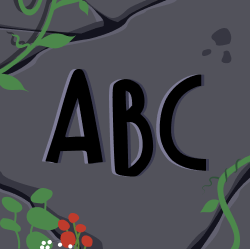
ABOUT THE GAME

Ace your capital letters with ABC Alphabet Trace! Use your hand to trace each letter, unlock fun animations, and hear the correct pronunciation. Keep tracing, keep learning!

SKILLS DEVELOPED

    Brain Icon COGNITIVE SKILLS

    Attention and Focus

    Pattern Recognition

    Sequencing and Order

    Attention and Focus

    Brain Icon EDUCATIONAL SKILLS

    Letter Recognition

    Following Instructions

    Word Association

    Vocabulary Development

CAPITAL ALPHABET TRACE

WHO IT HELPS

ADHD | DCD | ECD

Play for Free
SKILLS DEVELOPED

    COGNITIVE SKILLS

    Brain Icon

    Attention and Focus

    Pattern Recognition

    Sequencing and Order

    Attention and Focus

    EDUCATIONAL SKILLS

    Brain Icon

    Letter Recognition

    Following Instructions

    Word Association

    Vocabulary Development

BRAIN GRUB

WHO IT HELPS

ADHD

ABOUT THE GAME

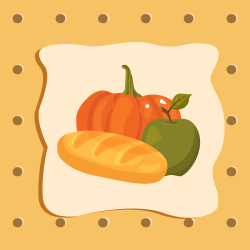
Test your memory with Brain Grub! Flip cards to find matching pairs and score higher with each match. See how quickly you can level up—it's time to challenge your brain!

SKILLS DEVELOPED

    Brain Icon COGNITIVE SKILLS

    Attention and Focus

    Memory

    Pattern Recognition

    Sequencing and Order

    Brain Icon EDUCATIONAL SKILLS

    Sorting

    Task Completion

    Matching

    Association

BRAIN GRUB

WHO IT HELPS

ADHD

Play for Free
SKILLS DEVELOPED

    COGNITIVE SKILLS

    Brain Icon

    Attention and Focus

    Memory

    Pattern Recognition

    Sequencing and Order

    EDUCATIONAL SKILLS

    Brain Icon

    Sorting

    Task Completion

    Matching

    Association

Number Trace

WHO IT HELPS

ADHD | DCD | ECD

ABOUT THE GAME

Let’s get counting with Number Trace!
 Trace numbers with your hand, watch them come to life, and boost your counting skills. Ready to count your way to success? Let’s see!

SKILLS DEVELOPED

    Brain Icon COGNITIVE SKILLS

    Attention and Focus

    Pattern Recognition

    Visual-Spatial Awareness

    Sequencing and Order

    Brain Icon EDUCATIONAL SKILLS

    Number Recognition

    Word Association

    Vocabulary Development

    Following Instructions

Number Trace

WHO IT HELPS

ADHD | DCD | ECD

Play for Free
SKILLS DEVELOPED

    COGNITIVE SKILLS

    Brain Icon

    Attention and Focus

    Pattern Recognition

    Visual-Spatial Awareness

    Sequencing and Order

    EDUCATIONAL SKILLS

    Brain Icon

    Number Recognition

    Word Association

    Vocabulary Development

    Following Instructions

How These Games Help Build Cognitive Skills

Memory

Memory helps children hold onto information long enough to use it. That could mean remembering what they just saw, following a short sequence, or recalling what comes next. Some parents start by looking for memory games for preschoolers when they want a simple way to support recall through play. When the activity feels enjoyable, children are often more willing to repeat it, and that repeated practice is what helps memory grow.

Attention and focus

Children do not only need to understand a task. They also need to stay with it. Focus is a big part of cognitive development, especially in the early years when attention is still growing. Interactive games can make this easier by giving children something clear to respond to instead of asking them to sit passively and watch.

Patterns and sequencing

Recognizing patterns and understanding order are important parts of early thinking. These skills help children notice what belongs together, what changed, and what should happen next. They support both academic learning and everyday routines.

Problem solving and decision making

Cognitive growth also includes learning how to respond, choose, and adjust. Every time a child decides what to do next, notices an error, or tries again in a different way, they are practicing important thinking skills.

Memory Activities for Preschoolers That Feel More Natural

Many families look for memory activities for preschoolers because they want practical ways to help children build attention and recall in everyday life. That might mean matching, sorting, repeating short sequences, remembering visual details, or noticing what changed.

The challenge is that not every child responds well to table-based practice alone. For some children, memory activities work better when they feel more interactive and more rewarding. That is where games can help. They give children a more natural way to practice the same underlying skills again and again.

Brain Games for Preschoolers and Early Learners

Some parents use the phrase brain games for preschoolers when they are looking for playful ways to support early thinking skills. In practice, they are usually looking for activities that help children pay attention, remember, respond, and stay engaged.

Good brain games at this stage do not need to feel complicated. They need to be clear, visual, and easy to return to. For many children, especially those who benefit from repetition, that kind of play can feel more accessible than traditional practice.

Supporting Cognitive Growth at Different Ages

Memory games for 4 year olds

Parents looking for memory games for 4 year olds are often trying to support early recall, attention, and simple matching skills. At this age, children are still building the basics, so the most helpful activities are usually the ones that feel simple, visual, and easy to repeat.

Memory games for 5 year olds

By the time families start looking for memory games for 5 year olds, they are often thinking about school readiness too. Children may be learning to follow longer instructions, remember sequences, and stay with an activity a little longer than before. Play can make that practice feel lighter and more enjoyable.

Brain games for 4 year olds and brain games for 5 year olds

Families also search for brain games for 4 year olds and brain games for 5 year olds when they want support that goes beyond memorising. They want children to build focus, noticing, matching, simple reasoning, and confidence through active learning

Cognitive activities for 5 year olds

Many parents also look for cognitive activities for 5 year olds when they want to support attention, memory, early problem solving, and thinking skills before or during the first years of school. These activities work best when they feel manageable and encouraging from the start.

How WonderTree Supports Cognitive Growth

WonderTree helps children practice important cognitive skills through play. The goal is not to make learning feel harder. It is to make it more engaging, more accessible, and easier to come back to.

Built for active participation

Children are more likely to stay involved when they are actively responding. WonderTree’s games create that kind of participation by encouraging children to notice, react, and keep trying.

Supportive for different learning needs

Children with special needs often benefit from repetition, visual support, and a pace that feels comfortable. WonderTree creates room for that kind of learning while keeping the experience playful and encouraging.

Useful across home, school, and therapy

Whether a parent wants extra support at home, a teacher wants a more engaging activity, or a therapist wants something a child will actually stay with, the purpose stays the same: helping children build meaningful skills through regular practice.

Why Families Choose WonderTree

Families are often looking for something simple and realistic. They want support that feels useful without turning every activity into work.

WonderTree helps bring that balance. It gives children a playful way to build memory, attention, and other cognitive skills while giving adults an option they can return to consistently.

FAQs

What are cognitive skills in children?

Cognitive skills are the mental skills children use to think, remember, focus, solve problems, notice patterns, and make decisions.

What are memory games for preschoolers?

Memory games for preschoolers are playful activities that help children practice recall, matching, noticing patterns, and remembering what they have seen or heard.

What are memory activities for preschoolers?

Memory activities for preschoolers include simple tasks like matching, sequencing, sorting, noticing changes, and repeating short patterns or instructions.

What are brain games for preschoolers?

Brain games for preschoolers are playful activities that support early thinking skills such as memory, attention, focus, and simple problem solving.

Are memory games for 4 year olds and memory games for 5 year olds different?

They often overlap, but the level of challenge may change. The most helpful activities are the ones that match the child’s pace, attention span, and comfort level.

What are cognitive activities for 5 year olds?

Cognitive activities for 5 year olds are activities that support attention, memory, sequencing, reasoning, and early problem solving in a way that feels engaging and age-appropriate.

Can children with special needs benefit from cognitive games?

Yes. Many children with special needs do well with activities that are visual, repeatable, and engaging. Cognitive games can make practice feel more natural and less stressful.


Find the right game for your child
PLAY Star LEARN Star THRIVE Star PLAY Star LEARN Star THRIVE Star PLAY Star LEARN Star THRIVE Star PLAY Star LEARN Star THRIVE Star PLAY Star LEARN Star THRIVE Star PLAY Star LEARN Star THRIVE Star PLAY Star LEARN Star THRIVE Star PLAY Star LEARN Star THRIVE Star PLAY Star LEARN Star THRIVE Star PLAY Star LEARN Star THRIVE Star PLAY Star LEARN Star THRIVE Star PLAY Star LEARN Star THRIVE Star PLAY Star LEARN Star THRIVE Star PLAY Star LEARN Star THRIVE Star PLAY Star LEARN Star THRIVE Star PLAY Star LEARN Star THRIVE Star PLAY Star LEARN Star THRIVE Star PLAY Star LEARN Star THRIVE Star PLAY Star LEARN Star THRIVE Star PLAY Star LEARN Star THRIVE Star PLAY Star LEARN Star THRIVE Star PLAY Star LEARN Star THRIVE Star PLAY Star LEARN Star THRIVE Star PLAY Star LEARN Star THRIVE Star PLAY Star LEARN Star THRIVE Star PLAY Star LEARN Star THRIVE Star PLAY Star LEARN Star THRIVE Star PLAY Star LEARN Star THRIVE Star PLAY Star LEARN Star THRIVE Star PLAY Star LEARN Star THRIVE Star PLAY Star LEARN Star THRIVE Star PLAY Star LEARN Star THRIVE Star PLAY Star LEARN Star THRIVE Star PLAY Star LEARN Star THRIVE Star PLAY Star LEARN Star THRIVE Star PLAY Star LEARN Star THRIVE Star PLAY Star LEARN Star THRIVE Star PLAY Star LEARN Star THRIVE Star PLAY Star LEARN Star THRIVE Star PLAY Star LEARN Star THRIVE Star PLAY Star LEARN Star THRIVE Star PLAY Star LEARN Star THRIVE Star PLAY Star LEARN Star THRIVE Star PLAY Star LEARN Star THRIVE Star PLAY Star LEARN Star THRIVE Star PLAY Star LEARN Star THRIVE Star PLAY Star LEARN Star THRIVE Star PLAY Star LEARN Star THRIVE Star PLAY Star LEARN Star THRIVE Star PLAY Star LEARN Star THRIVE Star

How can WonderTree help you?

If you have any query or interested in WonderTree for institutions, Please contact